
Frost quakes – what are they and how do they happen?
Deep cold, such as the U.S. Midwest has just experienced, can trigger a strange phenomenon – the sudden boom of a frost quake.
Also known as a cryoseism, a frost quake is somewhat similar to a minor earthquake but usually more localized and generally harmless, and it has nothing to do with tectonic activity.
Freezing soil
Cryoseisms happen when ground that has already been thoroughly saturated from previous rainfall or melted snow quickly freezes during a rapid drop in temperature well below freezing, especially following a mild spell of weather and if air temperatures plummet towards or below 0 degrees Fahrenheit. Soil temperatures don’t fall as readily as air temperatures, so by “quickly” we mean freezing within about 12 to 48 hours.
Expansion and cracking
Water expands as it freezes in the earth, putting intense pressure on surrounding soil and rock, which can eventually suddenly split and crack with an explosive or shattering sound.
The release of energy can also send tremors through a shallow layer of the ground but only for a limited distance of a few hundred yards or a couple of miles at most. Damage is usually minimal or non-existent, mostly limited to building foundations, and roads. Some witnesses describe the sensation as like a vehicle ramming into their building.
If there is a layer of snow on the ground, frost quakes – already rare – become less likely, because the snow acts as a blanket, preventing a sufficiently rapid or deep drop in soil temperatures.
Where do frost quakes happen?
Frost quakes occur mostly in temperate regions, where it is most likely that mild and wet periods can be followed by excessive cold. In the US, the most susceptible areas are from the Northeast across the Midwest and into the Central and Northern Plains, and when very wet weather has soaked the soil to some depth before the extreme cold arrives.
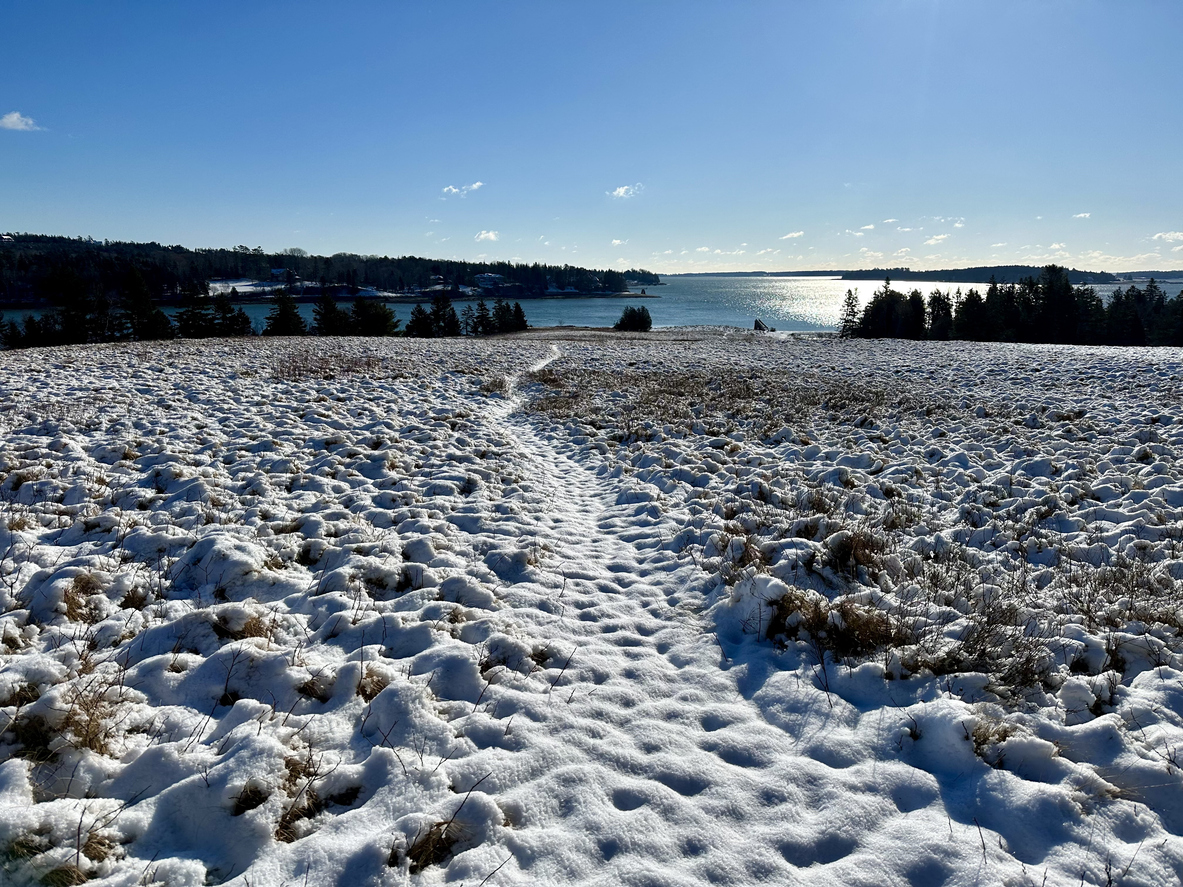
Image: Snow in coastal Maine, a region that is susceptible to cryoseisms. Source: iStock / Douglas Rissing.
They probably appear rarer than they are, because frost quakes most often happen in the dead of night, when it’s coldest, and even when experienced are often mistaken for a minor earth tremor.
At the end of January 2019, a major cold wave brought low temperatures of around -20 degrees F to the Midwest, and frost quakes were felt in Chicago and Pittsburgh.
Just as seismologists struggle to predict earthquakes, meteorologists have even less chance of forecasting frost quakes. The broad favorable conditions can be anticipated, though, such as a rapid drop in temperature in the wake of a clipper system – like we have just seen.
Cryoseism research
Just as seismologists struggle to predict earthquakes, meteorologists have even less chance of forecasting frost quakes. The broad favorable conditions can be anticipated, though, such as a rapid drop in temperature in the wake of a clipper system – like we have just seen in the U.S.
The University of Oulu in Finland has conducted research which suggests that the depth of frozen soil probably impacts the likelihood and strength of a frost quake. Soil types might also in future be shown to have an effect, which might be a start towards some sort of predictability.