
Euro temps never recorded so high, this high up
There's yet more extreme heat in Europe this week, with parts of Spain and southern France currently in the midst of a three-to-four-day heatwave with maximum temperatures nudging or even exceeding 40°C.
As you can see in the map below, the extreme French heat isn't quite making its way up north, where the capital Paris is located. But forecast maximum temps in southern French cities would just about melt the cheese in your ham and cheese croissant without the need for an oven.
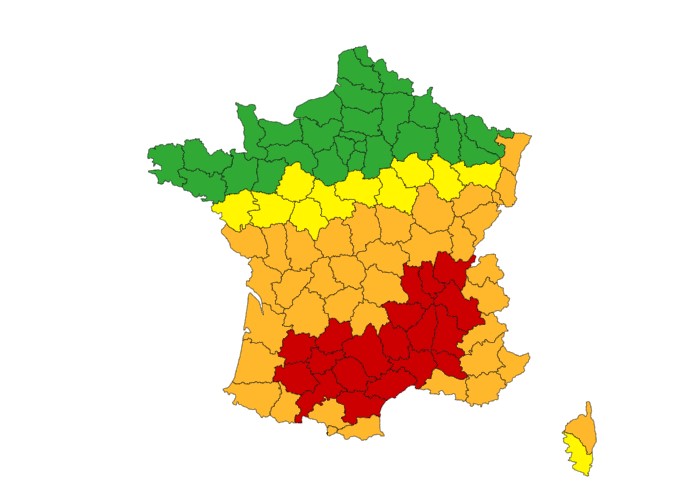
Image: The red sections on this map of France show areas currently subject to an extreme heatwave alert current to Friday, August 25. Source: Meteo France.
For example on Wednesday:
- France's 2nd-largest city Lyon should reach 39°C which is 10°C above the average August maximum
- France's 6th-largest city Bordeaux is tipped to reach 40°C, which is 12°C above the August average max
- France's 4th-largest city Toulouse should reach 42°C. That's 13°C above the August average max
At this stage, it appears that temperatures may just fall shy of records at ground level in France and elsewhere in Europe in the current extreme heat event.
But it's another story higher in the atmosphere, where temperature records in neighbouring Switzerland were shattered (again) this week, emphasising the general warmth of the airmass over Europe for much of the 2023 summer.
So what happened exactly high over the Swiss Alps?
Every day, the Swiss Meteorological agency MeteoSwiss releases weather balloons from the regional town of Payerne in the west of the country.
One task of the balloons is to measure the altitude of what MeteoSwiss calls the zero degree line (technically known as the 0°C isotherm) which is the point at which the air temperature reaches zero degrees.
Earlier this week, the zero degree line reached an altitude of 5298 m, easily the highest level since measurements began in 1954. The previous record, in July this year, was 5184 m.
To put that in perspective, Mont Blanc, the highest summit of the Alps, is 4809m above sea level and icebound all year long. Yet you still would have needed to ascend almost 500 metres higher than the famous snowy summit to reach a level where water would naturally freeze.
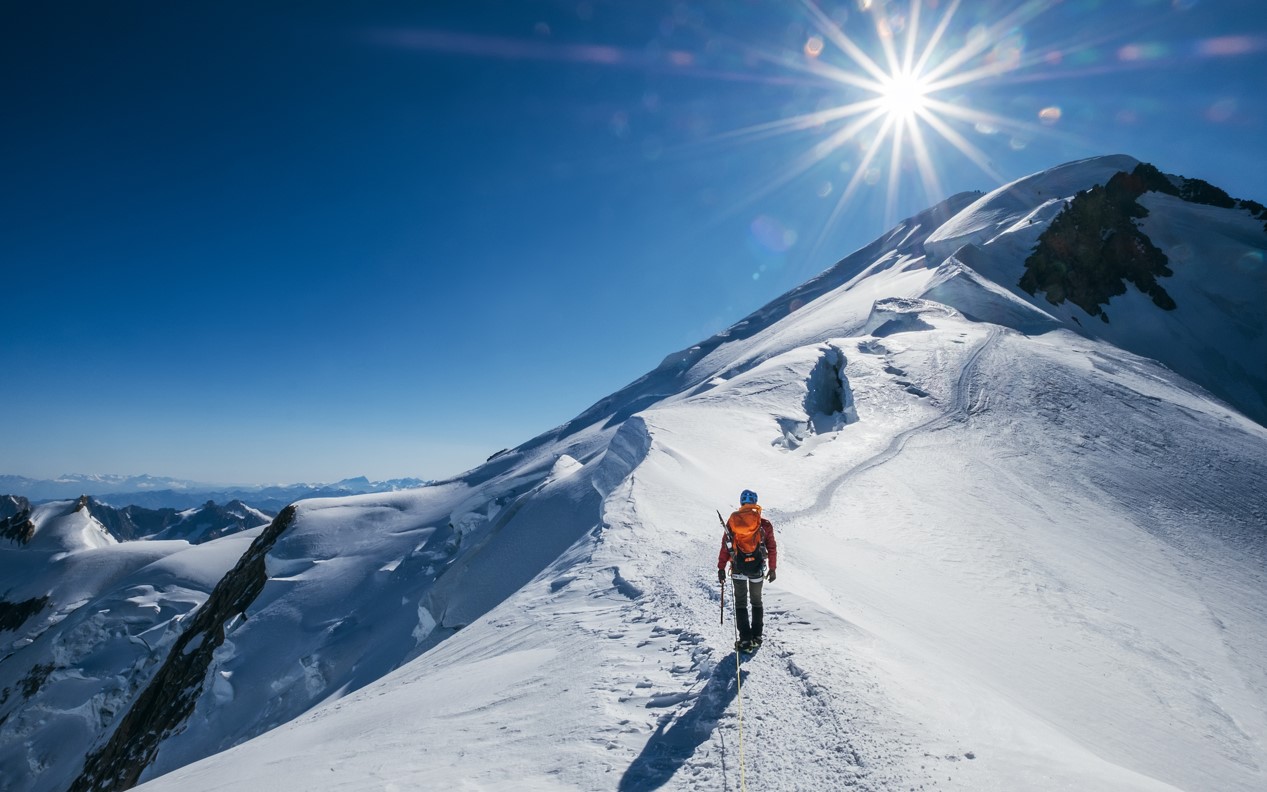
Image: Mont Blanc is in danger of becoming Mont Noir if temps stay so warm. Source: iStock.
"Over recent decades, anthropogenic climate change has caused the altitude of the zero degree line to rise significantly in every season," MeteoSwiss explains on its page on recent changes in the zero degree line.
"As is the case with temperature, the altitude of the zero degree line over Switzerland is increasing markedly due to climate change."
Le radionsondage de Payerne de cette nuit du 20 au 21 août 2023 a mesuré l'isotherme du 0 °C à 5298 m ce qui constitue un record depuis le début des mesures en 1954. Le précédent #record datait seulement du 25 juillet de l'année dernière avec 5184 m. #meteosuisse #canicule pic.twitter.com/dWjnKIRQ7r
— MétéoSuisse (@meteosuisse) August 21, 2023
Meanwhile back in France, severe weather warnings are currently in place for 19 of the country's 101 departments (administrative divisions) with MeteoFrance urging that "absolute vigilance is essential" with "dangerous phenomena of exceptional intensity expected".